When I’m not architecting mobile and AI systems, you’ll usually find me in the workshop—because for me, woodworking is the purest form of engineering.
In software, we define constraints, design structures, and solve problems with precision. In woodworking, the same principles apply—but with higher stakes. There’s no Ctrl+Z, no rollback, no safe sandbox. A wrong cut is a production bug, and a merge conflict means you’ve just turned a $200 piece of walnut into expensive scrap.
That pressure forces a different level of critical thinking, anticipation, and disciplined execution—the exact soft skills that drive my career as a mobile engineer and AI developer.
Woodworking has become my off-screen training ground. It sharpens my ability to:
- Plan architectures before touching a tool or writing a line of code
- Analyze constraints and adapt to them in real time
- Debug failures in an environment where nature doesn’t compromise
- Build with intention, creativity, and long-term thinking
For me, it’s more than a hobby—it’s a complementary engineering discipline. It keeps my mind sharp, keeps me solving problems in new ways, and keeps me connected to why I love building systems in the first place.
📐 The “Architecture” Phase (Planning & CAD)
Just as I wouldn’t write a line of code without a sequence diagram, I don’t make a single cut without a blueprint.
- Dimensional Logic: Calculating tolerances. If a drawer slide requires 12.7mm clearance, 12.5mm is a bug.
- Dependency Management: In complex joinery, Piece A must be glued before Piece B, or the assembly is impossible. This is deadlock resolution in physical form.
🪵 Material Constraints (Runtime Environment)
Wood, like a mobile operating system, has opinionated constraints.
- Grain Direction: You cannot force wood to move against its grain, just as you shouldn’t fight the Android Lifecycle.
- Expansion & Contraction: Wood moves with humidity. Ignoring this leads to cracking (crashing). I build “responsive layouts” in wood (breadboard ends, sliding dovetails) to handle this expansion.
🐛 Debugging the Physical World
Mistakes happen. A chisel slips; a measurement is off.
- Root Cause Analysis: Why did the saw bind? (Blade alignment? Tension?)
- Refactoring: Instead of scrapping a piece, can I adapt the design? Can a “feature” hide the bug?
- Polishing: Sanding and finishing is the UI/UX. A sturdy table that feels rough to the touch is a failed product.
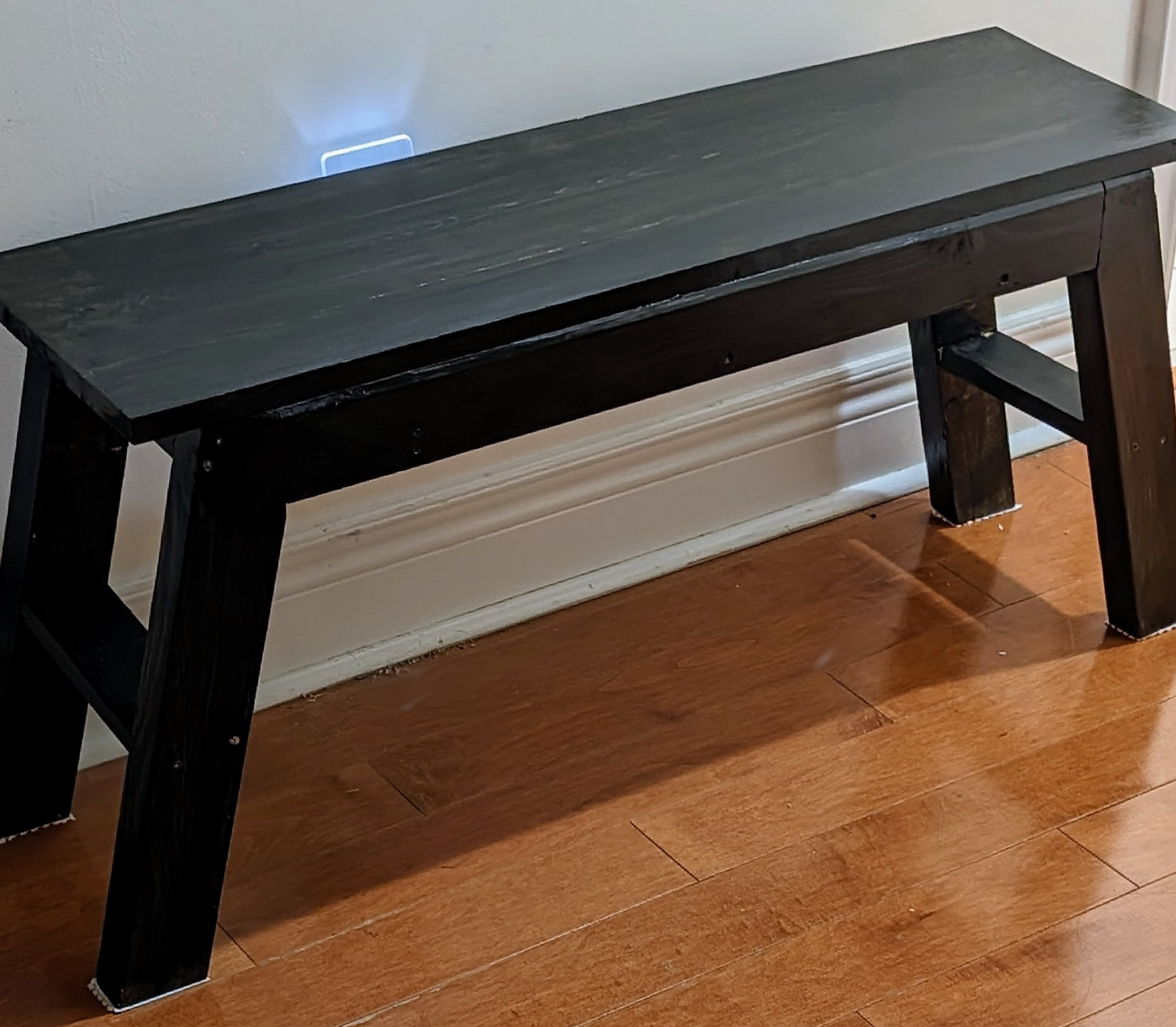
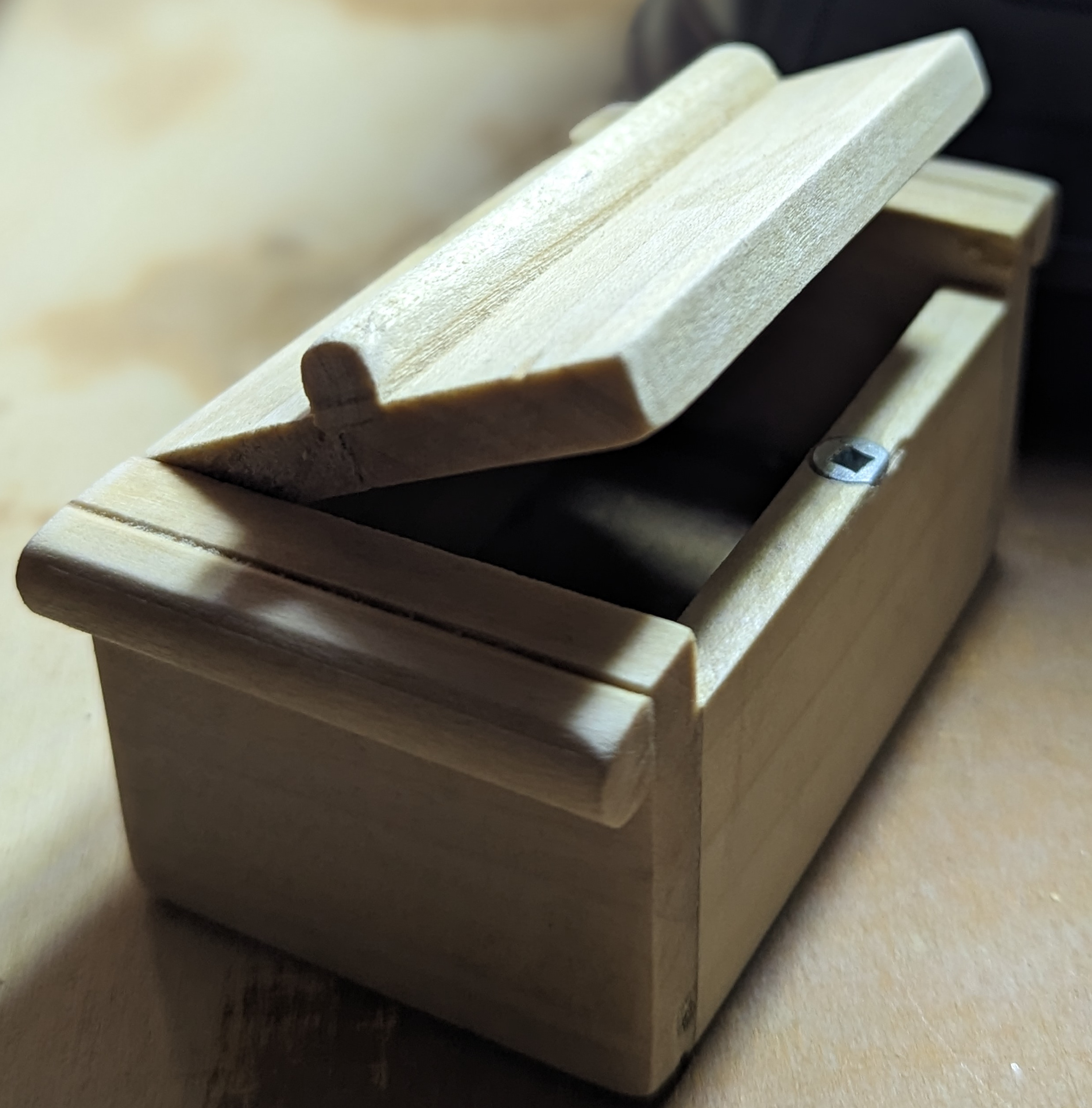
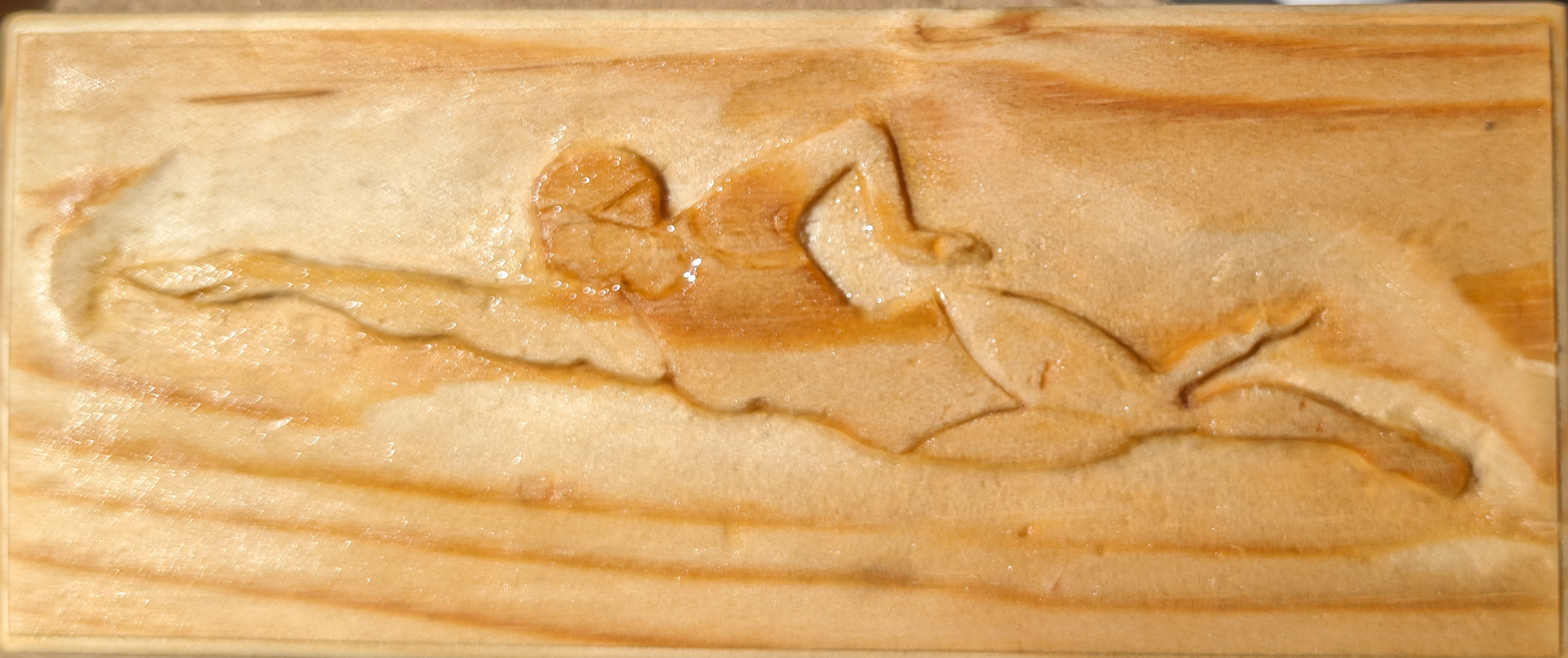
🛠️ Gallery of Builds
Recent woodworking projects